Dive Logo Template – A Practical Tool for Brand Identity Design
Building a visual identity from scratch can be a time-consuming process, especially when you need something functional and polished within a reasonable timeframe. Pre-designed logo templates have become a practical middle ground between hiring a professional designer and attempting to create a brand mark from a blank canvas. The Dive Logo Template offers one such option for those looking to establish a clean, recognizable symbol without the overhead of custom design work. This article evaluates what the template provides, how it performs in real-world branding contexts, and who is most likely to benefit from using it.
What the Dive Logo Template Offers
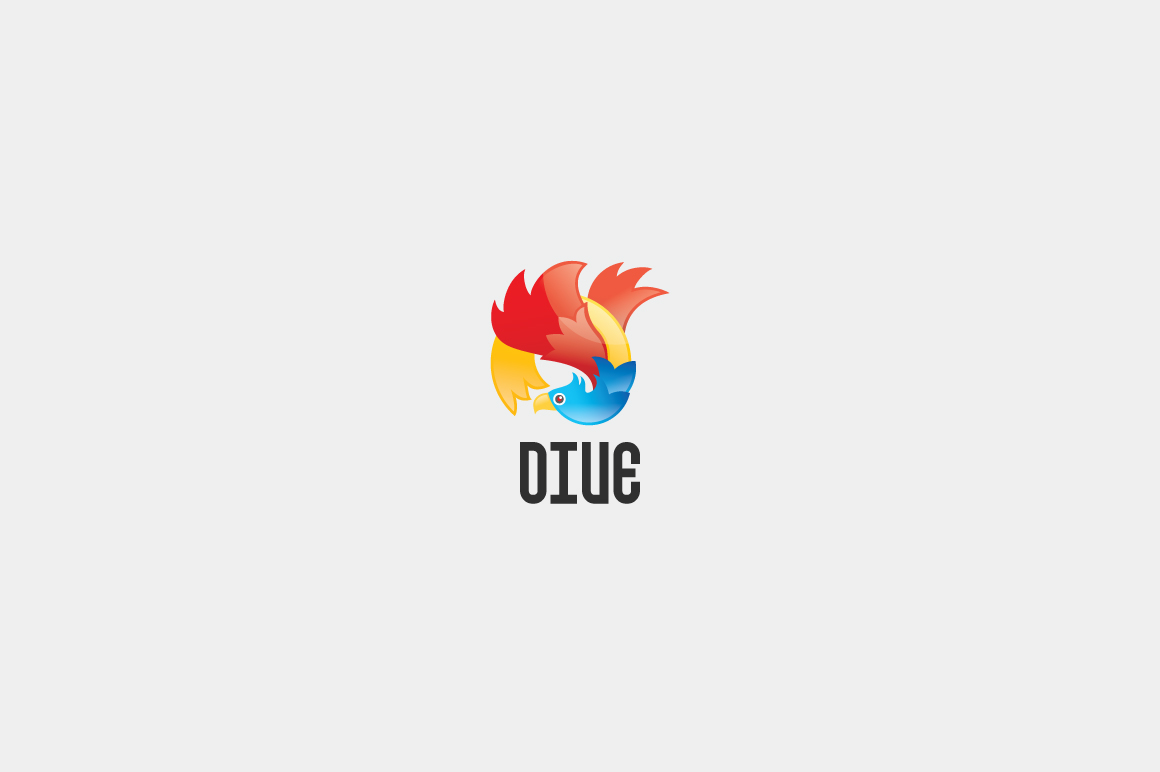
The Dive Logo Template is a ready-made design file built for creating a logo suitable for personal or corporate branding. It comes as a set of layered, editable files that allow you to modify the appearance to match your specific needs. Unlike a finalised logo delivered as a static image, this template gives you control over the visual components so you can tailor the mark to your brand’s personality, industry, and audience.
The core of the template is a design that evokes themes of exploration, depth, and movement, which makes it particularly well suited for businesses or individuals connected to water sports, marine activities, travel, adventure, or any brand that wants to communicate a sense of going deeper—whether literally or metaphorically. That said, the template is flexible enough that with thoughtful customization, it can work across a much wider range of industries.
File Formats and What You Get in the Download
When you purchase or download the Dive Logo Template, the package includes three primary file formats: an AI file for Adobe Illustrator, an EPS file for vector editing in other programs, and a PSD file for Photoshop users. Having multiple formats ensures that you can work with the template regardless of which design software you prefer. The AI and EPS files are vector-based, meaning the logo remains crisp at any size, while the PSD file provides a raster option for those who are more comfortable working in Photoshop.
The download also includes a link to the free font used in the template. This is a practical addition because it removes the guesswork around font licensing and compatibility. You can install the font and begin editing the text immediately without needing to search for alternatives or worry about missing typefaces.
Key Features That Affect Usability and Output Quality
Several specifications in the Dive Logo Template contribute to its usefulness for real branding projects. The file is set at 300 dpi, which is the standard resolution for print work. This means the logo will reproduce cleanly on business cards, flyers, product packaging, and apparel without visible pixelation. The colour mode is CMYK, the standard for professional printing, so what you see on screen will translate reliably to printed materials.
The template also allows for resizing without quality loss, a direct benefit of the vector format. Whether you need a small icon for a website favicon or a large logo for a banner or trade show display, you can scale the artwork up or down without degrading the sharpness of the lines or shapes.
Customization is where this template shows its real value. You can change the colours of individual elements, adjust shapes, modify the text, swap the font type, reposition components, and resize the entire composition. This level of control means you are not locked into a single look. If the original colour palette does not suit your brand, you can shift it entirely. If you want to add an extra element—such as a tagline, a stylised wave, or a geometric border—you have the freedom to do so within the editable file.
Real-World Performance Across Different Branding Materials
A logo template is only as useful as its ability to hold up across the various surfaces and contexts where a brand appears. The Dive Logo Template performs well in both digital and print environments. On screen, the logo retains its clarity at different resolutions, which matters for website headers, social media profiles, email signatures, and digital advertisements. In print, the CMYK colour mode and 300 dpi resolution ensure that business cards, letterheads, product packaging, and flyers look professional.
For apparel, such as t-shirts, caps, or tote bags, the vector format allows you to produce artwork that screen printers can work with directly. You can export the logo as a clean outline or solid shape without worrying about background artefacts or low-resolution edges. The same applies to promotional merchandise like mugs, pens, or notebooks where the logo needs to reproduce at a small scale without losing legibility.
One practical consideration is that the template’s design, while adaptable, does have a distinct visual flavour. If your brand identity is extremely formal or conservative—for example, a law firm or a financial advisory practice—you may need to make significant modifications to the shapes and colour palette to align the logo with that tone. The structure of the template leans toward a modern, active aesthetic, so it is best suited for brands that want to appear dynamic, approachable, or adventurous.
Who Benefits Most from This Template
The Dive Logo Template is a strong fit for a fairly broad range of users, but some will get more out of it than others. Freelancers and solopreneurs who need a logo quickly without allocating a large budget to design will appreciate the low cost and the speed of customization. Instead of waiting days or weeks for a designer to produce drafts, you can have a working logo in a few hours of editing.
Small business owners in industries such as scuba diving centres, surf shops, outdoor guiding services, travel agencies, marine tourism, or fitness brands centred around water activities will find the template’s thematic alignment especially useful. The design communicates a sense of depth and motion that resonates with audiences interested in exploration and active lifestyles.
Marketers and content creators who manage multiple projects or side businesses can use the template as a time-saving asset. Having a polished logo file ready to deploy across platforms removes one of the friction points when launching a new venture or rebranding an existing one. Bloggers, podcasters, and YouTube creators in niches related to travel, adventure, or personal development can also adapt the logo to serve as a channel icon or brand mark.
Educators and serious hobbyists—such as diving instructors, marine biology communicators, or sailing club organisers—can use the template to create a consistent visual identity for their materials without needing deep design skills. The editable files make it possible to produce branded certificates, handouts, social media posts, and event flyers that look coherent and professional.
Customization Tips for Getting the Most Out of the Template
To maximise the value of the Dive Logo Template, consider how you approach the editing process. Start by identifying the core message you want the logo to communicate. If your brand is about calm and trust, choose a muted colour palette with blues, teals, or soft greys. If you want to convey energy and excitement, lean into brighter accent colours like orange, coral, or lime green.
Pay attention to the typography. The free font included in the download is a good starting point, but you are not required to stick with it. If you have a branded typeface you already use across your materials, by all means swap it in. Consistency across fonts is one of the simplest ways to reinforce brand recognition, so using your existing typeface can tie the logo into your broader visual system.
Consider the arrangement of elements as well. The template’s layout is likely designed with a certain hierarchy, but you can reposition the icon relative to the text to create a stacked, horizontal, or centred composition depending on where the logo will appear. Having a few variations of the same logo—one for horizontal spaces like website headers, one for square spaces like social media avatars—can save time later.
Possible Limitations and What to Keep in Mind
No template is a complete substitute for a bespoke logo design, and the Dive Logo Template has some inherent limitations worth acknowledging. Because it is a pre-made design, there is a small chance that other users may end up with a similar-looking logo if they do not customize it extensively. If your brand operates in a very crowded market, you may want to invest additional time in modifying the shapes, colours, and typography to differentiate yourself.
Another consideration is that the template provides a design framework, not a strategic brand identity. A logo is one component of a broader brand system that includes voice, messaging, colour psychology, and audience positioning. The template gives you a visual mark, but you will still need to develop the rest of your brand identity intentionally.
Users who have no prior experience with vector editing software may face a learning curve when opening the AI or EPS files. While the layers are organised and editable, you do need basic familiarity with Adobe Illustrator or a compatible program to make changes efficiently. If you are completely new to design software, you may need to spend some time learning how to use the tools before you can customise the template comfortably.
Long-Term Value and Versatility
When evaluated as a resource rather than a finished product, the Dive Logo Template offers solid long-term value. The files are reusable, so if you rebrand or launch a new project down the line, you can revisit the template and create a different variation without starting over. The vector format ensures the logo remains future-proof as screen resolutions and printing technologies evolve.
For entrepreneurs and creators who value efficiency and want to maintain control over their visual identity, this type of template strikes a practical balance. It removes the need to brief a designer, wait for revisions, and pay premium rates, while still delivering a result that looks considered and competent. The key is to treat the template as a starting point rather than an endpoint, and to invest the time needed to make the logo truly your own.
If your project requires a logo that communicates depth, movement, or adventure, and you have the willingness to customise the design to fit your brand, the Dive Logo Template is a resource worth considering. It provides the technical quality, format flexibility, and creative freedom needed to produce a logo that works across digital platforms and printed materials, making it a practical option for anyone building a brand on their own terms.