BD Fluke: A Font with Vintage Appeal
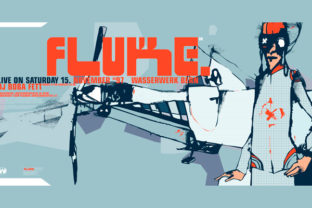
BD Fluke is a display font that brings a unique blend of retro and experimental design to the table. Originally drafted in 1997 by the Swiss design collective Büro Destruct, it wasn’t until 2012 that the full character set was refined and released as a commercial font. This delay between creation and release has given BD Fluke a curious place in typography—it feels both nostalgic and fresh, rooted in late 90s digital experimentation yet perfectly usable in modern projects.
The Story Behind BD Fluke: From 1997 to 2012
Understanding BD Fluke starts with its unusual timeline. In 1997, Büro Destruct began working on some of the characters, exploring a style that broke away from clean, predictable typefaces. The design collective is known for pushing boundaries in graphic design, and BD Fluke was no exception. However, like many experimental projects, it stayed in development for years. It wasn’t until 2012 that the font was polished, expanded, and officially released to the public. This long gestation period means BD Fluke carries the aesthetic sensibilities of the late 90s digital scene but benefits from modern font technology—making it compatible with contemporary software and workflows.
For designers and creators, this backstory adds a layer of authenticity. BD Fluke isn’t a shallow imitation of retro style; it genuinely emerged from that era. The font reflects a time when digital tools were less refined, and designers often embraced imperfections as part of their creative expression. That raw, unpolished feel is exactly what makes BD Fluke appealing today, in a world where hyper-polished fonts are everywhere.
Key Characteristics That Make BD Fluke Stand Out
BD Fluke is not a font that fades into the background. Its letterforms are irregular, with varying stroke widths, unexpected angles, and a hand-drawn quality that feels alive. Some characters lean, others stretch, and a few seem to defy standard typographic rules. This unpredictability is deliberate. BD Fluke is designed to grab attention and convey a sense of energy, rebellion, or playfulness.
- Distinctive letter shapes: Each character has its own personality, making the font ideal for short, impactful text.
- Retro but not dated: The 1997 origins are evident in the pixel-like influences and slightly chaotic geometry, but the 2012 release ensures smooth digital rendering.
- Limited but focused character set: While not a full text font, BD Fluke includes enough characters for headlines, logos, and creative projects.
- Versatile in the right context: It works best when used sparingly, as a statement piece rather than body copy.
These traits make BD Fluke a specialist tool. It’s not something you’d use for a term paper or a corporate memo, but for projects where you want the text itself to be part of the visual design.
Why BD Fluke Appeals to Creatives and Professionals
BD Fluke solves a specific problem: how to make text stand out without relying on illustrations or graphics. For bloggers, marketers, and small business owners, this means your headline can do double duty as both content and visual element. A poster for a music festival, a logo for an indie brand, or cover art for a podcast—all can benefit from BD Fluke’s distinct voice.
For educators and hobbyists, the font offers a hands-on way to learn about typography. Its unconventional forms can teach you about letter spacing, hierarchy, and how type evokes emotion. Beginners often find that working with a font like BD Fluke encourages more playful experimentation, which can be a great entry point into design.
Professionals, such as graphic designers and art directors, value BD Fluke for its ability to add instant character to a project. It’s a reliable choice when you need a typeface that communicates “creative,” “edgy,” or “non-conformist” without overcomplicating the layout. The fact that it was created by a respected design collective like Büro Destruct also adds a layer of credibility for client work.
Where and How to Use BD Fluke Effectively
BD Fluke shines in specific contexts. Here are practical ways to incorporate it into your work, whether you’re a beginner or a seasoned creator:
- Branding for small businesses: A local café, tattoo studio, or vintage clothing shop can use BD Fluke in their logo or signage to project a unique, handmade identity.
- Event posters and flyers: Music festivals, art exhibitions, and community events benefit from the font’s energetic feel. Try using it for the main title and a simpler font for details.
- Social media graphics: Instagram posts or YouTube thumbnails with BD Fluke headlines can cut through the noise and capture scroll-stopping attention.
- Merchandise design: T-shirts, stickers, and tote bags with BD Fluke lettering can look trendy and custom-made.
- Digital art and experimental projects: Hobbyists can use it as a starting point for collages, typographic posters, or personal branding exercises.
A realistic use case: A freelance graphic designer is creating a poster for a local punk band’s reunion show. They set the band’s name in BD Fluke, all caps, slightly tracked out to emphasize the uneven letterforms. The date and venue are in a clean sans-serif font below. The result is a poster that feels authentic, chaotic, and aligned with the band’s aesthetic—all without complex illustration work.
Beginner-Friendly Tips for Using BD Fluke
If you’re new to using display fonts like BD Fluke, here are some observations to keep in mind:
- Use it sparingly. Because BD Fluke is so distinctive, a little goes a long way. Limit it to headlines, titles, or short phrases. Using it for large blocks of text can overwhelm the viewer and reduce readability.
- Pair it with a neutral font. A simple sans-serif (like Helvetica or Open Sans) or a clean serif works well as a companion. This contrast helps the BD Fluke elements stand out even more.
- Mind the kerning. Some character combinations in BD Fluke may have tight or loose spacing. Manually adjust letterspacing in your design software for polished results.
- Test on different backgrounds. Since BD Fluke has irregular shapes, it can look different on light versus dark backgrounds. Experiment with color to find the best contrast.
- Start with all caps. The uppercase letters in BD Fluke are often more balanced and readable for beginners. Lowercase versions can be even more erratic, so use them intentionally.
These tips help you avoid common mistakes and get the most out of the font’s character.
Important Considerations Before Choosing BD Fluke
Before you commit to BD Fluke for a project, think about the context and audience. The font’s strong personality means it’s not suitable for every situation. Here’s what to consider:
- Audience reaction: BD Fluke feels unconventional and perhaps a bit chaotic. It may not resonate with conservative or corporate audiences. Use it where a creative, bold impression is desired.
- Licensing: As a commercial font from Büro Destruct, BD Fluke requires a license for most professional uses. Check the terms for web use, embedding, or merchandise. For personal projects, some foundries offer free trials or low-cost options.
- File formats: Ensure you have the correct format (e.g., OTF, TTF, WOFF) for your software. Büro Destruct typically provides modern formats, but verify compatibility with your design tools.
- Legibility at small sizes: BD Fluke is designed for headlines and large text. At small sizes, the irregular letterforms can become hard to read. Reserve it for sizes 24pt or larger in print, and adjust for screen use.
By weighing these points, you can decide if BD Fluke aligns with your project’s goals. For many creatives, the trade-off is worth it—the font’s unique voice can elevate design work that needs a personal, adventurous touch.
BD Fluke’s journey from a 1997 experiment to a 2012 release shows that good design ideas can age well. Whether you’re a freelancer exploring typography or a business owner looking for a distinctive brand voice, BD Fluke offers a blend of history, character, and practicality that few other fonts can match. Use it thoughtfully, and it becomes more than just a typeface—it becomes a statement.