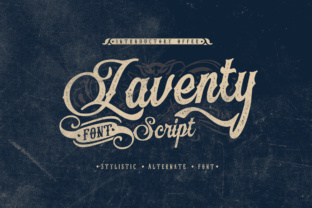
Laventy Script: A Vintage Script Font with Character
If you have spent any time searching for a typeface that feels both handcrafted and refined, you have likely noticed how rare it is to find a script font that carries real weight. Many options lean too casual, too sweet, or too rigid. That is precisely where Laventy Script stands apart. This is a script font with a blackletter file, paired with a bonus font called Archer, and together they deliver a vintage aesthetic that feels earned rather than manufactured. Whether you are building a brand identity from scratch, designing packaging for a small batch product, or laying out pages for a print publication, this duo offers a palette that is both distinctive and practical.
Laventy Script is not trying to imitate a hurried hand note or a brush stroke. It draws from blackletter traditions, which gives it a structured, almost architectural feel. The strokes are deliberate, the contrast is noticeable, and the overall impression is one of old world craftsmanship. At the same time, it avoids the stiffness that can sometimes make blackletter fonts feel inaccessible or overly formal. There is a warmth here, a sense that the letters were carved with care rather than stamped out by machine. The bonus font Archer adds a clean, straightforward counterpoint. Archer is a simpler, more neutral typeface that balances the ornate nature of Laventy Script, making pairings feel intentional rather than chaotic.
Where Laventy Script Shines in Real Projects
The real test of any font is not how it looks in a specimen sheet but how it performs across different contexts. Laventy Script works especially well in projects where you need to communicate heritage, quality, or a handcrafted feel. For logo design, especially in industries like craft brewing, artisanal coffee, boutique bakeries, barbershops, and independent publishing, this font brings instant personality. It suggests that the brand has a story, that there is care behind the product. Because it includes the blackletter file, you can lean into that medieval, manuscript inspired look when it fits, or soften it by using Archer as a supporting typeface for body copy or secondary information.
In editorial design, Laventy Script can be used for headlines, pull quotes, or chapter openings. It creates strong visual hierarchy because it is unapologetically expressive. Readers will notice it, which is exactly what you want for titles and key messages. Pairing it with Archer for body text keeps the page readable while maintaining a cohesive vintage feel. For packaging design, think of labels for small batch spirits, handmade soaps, or specialty foods. The font adds shelf presence without needing elaborate illustrations. The letterforms themselves become the visual hook.
Social media graphics also benefit from this font. A quote graphic or a product announcement set in Laventy Script stands out in a feed of safe, neutral sans serif fonts. It gives your content a handcrafted, intentional look that followers often associate with authenticity. For web design, use it sparingly. A word or two in a hero section, a stylized button, or a navigation accent can be enough. Overdoing it on screen can hurt readability, but used strategically, it creates a memorable first impression.
How This Font Affects Readability, Hierarchy, and Brand Perception
Every typeface influences how people process information, and Laventy Script is no exception. Because it is a display font with blackletter roots, it is not intended for long form reading. What it does exceptionally well is signal where attention should go. In a layout, a headline set in Laventy Script immediately tells the viewer: this is important. It creates visual weight. The contrast between its ornate strokes and a simpler serif or sans serif font like Archer establishes a clear hierarchy, guiding the eye naturally from the big idea to supporting details.
Brand perception is another area where this font delivers. A brand that uses Laventy Script is often perceived as more established, more handcrafted, and more thoughtful. That is not accidental. The blackletter influence carries historical associations with craftsmanship, tradition, and durability. When you combine that with Archer, which has a more understated vintage feel, the overall brand identity feels cohesive without being one note. It suggests that you respect the past but are not trapped by it.
Consistency across materials also becomes easier. Because the font pair is designed to work together, you can use Laventy Script for logos, headlines, and accent elements, then rely on Archer for body copy, captions, and supporting text. This creates a unified visual language across business cards, websites, product labels, and advertising. Professionalism comes from that consistency. Recognition builds when people see the same distinctive letterforms in different contexts. Audience engagement improves because the visual presentation feels intentional and polished, which subconsciously signals that the content itself is trustworthy.
Practical Guidance for Choosing and Using Laventy Script
Before you commit to any typeface, especially one as distinctive as Laventy Script, it pays to evaluate your project fit honestly. Ask yourself what tone you need. If the answer involves words like rustic, heritage, handcrafted, bold, or timeless, this font is likely a strong candidate. If you need something neutral, modern, or minimal, it may be too much. That is not a flaw in the font. It simply means it is a specialist, and specialists perform best when given the right job.
Testing font pairings is straightforward with Laventy Script and Archer because they were built to complement each other. But you can also experiment with other serif or sans serif fonts if your project calls for a different kind of contrast. A clean, modern sans serif can create an interesting tension with the old world feel of Laventy Script. Just be mindful of the mood you are building. Pairing it with an ultra modern geometric sans can feel jarring unless you are deliberately going for that clash.
When reviewing the included styles, pay attention to the blackletter file. Not every project needs that specific variant, but having it available means you can adjust the level of historical reference. The standard script file offers a slightly more approachable look while still carrying that vintage DNA. For readability, always consider the size and medium. Laventy Script works best at larger sizes where the details can breathe. On screen, avoid using it for body text or small captions. In print, test it at the actual size you plan to use, because ink and paper can change how fine details read.
Commercial licensing is another factor worth understanding before you start. Laventy Script is a commercial font, which means you need the right license for its intended use, especially if you are designing for clients, selling products, or using it in marketing materials. Most reputable font foundries and marketplaces offer clear licensing terms. Read them. If you are a small business owner or a freelancer, the cost of a proper license is negligible compared to the time you will save by using a typeface that actually fits your project. It also protects you from legal complications down the road. For hobbyists and crafters working on personal projects, some licenses are more forgiving, but always check.
A realistic example helps bring all of this together. Imagine you are designing a brand identity for a small distillery that makes gin inspired by an 18th century recipe. The brand needs to feel authentic, premium, and rooted in tradition. You choose Laventy Script for the logo because the blackletter file gives it the right historical weight. For the tagline and product descriptions on the label, you use Archer because it is readable at smaller sizes and complements the script without competing. On the website, you use Laventy Script for the hero headline and a few section headers, with Archer for the body text. Across social media, you use Laventy Script sparingly for key phrases in graphics, always ensuring it is large enough to be legible. The result is a brand that feels cohesive, intentional, and professional, without relying on expensive illustrations or complex design elements.
Another practical recommendation is to consider contrast not just between fonts, but within your overall design. Laventy Script is a high contrast font in terms of stroke weight. That means it pairs well with simple layouts, generous whitespace, and restrained color palettes. Let the letterforms do the heavy lifting. If your design is already busy with textures, patterns, or multiple colors, this font may compete rather than complement. Sometimes the best use of a distinctive typeface is to give it room to breathe.
For designers and content creators who work with multiple clients or projects, having Laventy Script and Archer in your toolkit means you have a go to option when a vintage, handcrafted look is needed. It saves time because you do not have to hunt for compatible font pairings. It also gives you confidence that the typography will hold up across different mediums, from digital to print. That reliability is something you cannot always count on with free fonts or hasty selections.
Ultimately, Laventy Script is not a font you use everywhere. It is a font you use when you want to make a statement. It respects tradition without feeling like a history lesson. It is bold without being aggressive. And with Archer by its side, it offers a complete solution for anyone who needs vintage inspired typography that actually works in practice. Whether you are a seasoned designer, a small business owner building your own brand, or a hobbyist experimenting with a new project, this is a pairing worth exploring.
The best fonts do not just look good. They help you communicate better. Laventy Script helps you say heritage, quality, and care in a single glance. That is a rare and valuable thing in a world of fast, disposable design.