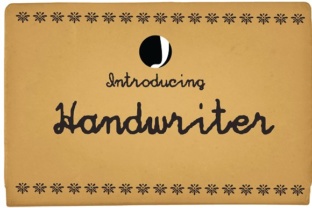
Hand Writer: A Handwritten Font with Real Character
You know that moment when a project needs something human, but not messy? Something personal, but still professional. That is exactly where Hand Writer lives. Created by Jadugar Design Studio, this handwritten typeface comes in six distinct variations—Regular, Regular Rough, Thin, Thin Rough, Bold, and Bold Rough. It is not one of those fonts that tries too hard to look like handwriting and ends up feeling stiff or mechanical. Instead, Hand Writer strikes a balance between natural strokes and readability, making it a genuinely useful tool for anyone who works with words.
What Makes Hand Writer Stand Out
Hand Writer feels like someone sat down with a good pen and wrote each letter with intention. The strokes have a consistent weight, but they are not perfectly uniform. There is a slight organic quality to the curves and terminals, which gives the typeface warmth without sacrificing legibility. The Regular weight works as a solid everyday handwritten font, while the Thin variation brings a lighter, more delicate touch. The Rough versions add texture, as if the ink bled slightly on paper or the letterpress left its mark.
What I appreciate most is how the Bold weight holds its own. Bold handwritten fonts often lose their shape or become cluttered, but Hand Writer Bold stays open and readable. The Bold Rough version, in particular, feels like it was stamped onto the page—great for when you need something with a bit of grit. Whether you choose a clean version or a rough one, the family maintains a consistent personality across all six styles. That coherence matters when you are building a brand identity or working on a multi-page layout.
Six Variations, One Cohesive Voice
Having six variations of a handwritten font is not just about having options. It is about giving you control over tone. The Regular and Regular Rough are your go-to for body text in short passages, while the Thin and Thin Rough work beautifully for elegant headings or delicate packaging. The Bold and Bold Rough are for when you need to make a statement—think poster headlines, product labels, or social media graphics that demand attention.
- Hand Writer Regular – Clean, readable, everyday use
- Hand Writer Regular Rough – Textured, organic, adds character
- Hand Writer Thin – Light, airy, refined
- Hand Writer Thin Rough – Delicate with a worn-in feel
- Hand Writer Bold – Strong, confident, impactful
- Hand Writer Bold Rough – Bold with a rough edge, like letterpress
The range means you can use this font for an entire project without it feeling repetitive. A blog header in Bold Rough, subheadings in Regular, and captions in Thin—same handwriting, different expressions. That kind of versatility is rare in handwritten fonts, which often come in just one weight and force you to pair them with something else.
Where Hand Writer Fits Best
Hand Writer is a display font at heart, but it does not shy away from short-form body text. I have seen it used effectively in editorial design for pull quotes and sidebars, where a handwritten touch adds personality without breaking the reading flow. For logo design, especially for small businesses, creative agencies, or personal brands, Hand Writer brings a handmade feel that connects with audiences on a more human level. It is also a strong choice for packaging design—think artisanal food products, craft beverages, or boutique retail goods where authenticity matters.
In web design, Hand Writer works well for hero section headings, call-to-action buttons, and testimonial highlights. The Regular and Thin weights remain legible at smaller sizes on screen, while the Bold variants pop against light backgrounds. Social media graphics are another natural fit. Whether you are creating quote cards, announcement posts, or promotional banners, the font adds a personal touch that feels less corporate than a sans serif or serif font.
For print projects, the Rough versions really shine. They simulate the look of hand-stamped or letterpressed text, which works beautifully on business cards, invitations, greeting cards, and product tags. If you are a crafter or hobbyist working on DIY projects, Hand Writer gives your work a polished, professional finish while keeping that handmade spirit.
Readability and Visual Hierarchy
One concern with handwritten fonts is readability, especially in longer passages. Hand Writer handles this better than most. The letterforms are distinct enough that words do not blur together, and the spacing is generous without feeling loose. For visual hierarchy, you can rely on the weight variations to guide the reader’s eye. Use Bold for primary headlines, Regular for subheads or short paragraphs, and Thin for captions or decorative elements. The contrast between weights creates a natural flow that does not require extra styling.
That said, I would not recommend Hand Writer for long-form body text like a novel or a lengthy report. It is best used in doses—headlines, logos, short blocks of text, and accent elements. When you need a script font or handwritten font for emphasis, Hand Writer delivers without overwhelming the page.
Practical Guidance for Choosing and Using Hand Writer
Choosing a handwritten font for a project comes down to matching the personality of the typeface with the message you want to convey. Hand Writer strikes a friendly, approachable tone. It is not overly whimsical or childish, nor is it sharp or aggressive. That middle ground makes it versatile across many contexts, from a children's book cover to a coffee brand's packaging.
When evaluating project fit, consider the audience. Hand Writer works well for audiences who value authenticity, craftsmanship, and a personal touch. If your brand identity leans toward minimalism, the Thin and Regular weights integrate smoothly. If you are going for a more rugged or artisanal look, the Rough variations add that tactile quality.
For font pairings, Hand Writer complements clean sans serif fonts like Open Sans, Montserrat, or Lato. The contrast between a structured sans serif and a handwritten font creates visual interest without competing. For a more traditional pairing, try it with a classic serif font like Playfair Display or Merriweather. The key is to let Hand Writer take the expressive role, while the other font handles body text or supporting information.
Licensing and Commercial Use
Hand Writer is a commercial font, and that is important to check before you use it in client work, product packaging, or any revenue-generating project. Jadugar Design Studio offers licensing options that cover most use cases, from personal projects to full commercial applications. Always review the license terms to confirm whether your specific use—like logo design, merchandise, or digital products—is included. If you are a designer building brand identities for clients, a commercial license gives you the freedom to use Hand Writer across multiple deliverables without worrying about restrictions.
For entrepreneurs and small business owners, investing in a premium font like Hand Writer is a smart move. Free handwritten fonts often lack the refinement, kerning, and variation that a professionally crafted typeface provides. Hand Writer gives you consistency across all six styles, which means your branding stays cohesive whether you are designing a website, a product label, or a social media post.
Bringing Hand Writer into Your Workflow
Adding a handwritten font like Hand Writer to your design assets is not just about having another option. It is about having the right tool for projects that need a personal, human touch. Whether you are a content creator looking to make your blog stand out, a marketer designing campaign visuals that connect emotionally, or a publisher working on a magazine that blends editorial polish with handmade charm, Hand Writer offers something real.
I have found that the Rough variations, in particular, add a layer of texture that digital design often lacks. In a world of perfectly crisp vectors, a little imperfection goes a long way. That does not mean the font looks sloppy—it is carefully crafted to look organic. That is a hard balance to strike, and Hand Writer pulls it off well.
If you are testing it for the first time, start with the Regular and Bold weights. Pair them with a neutral sans serif font and see how they feel on a mockup or a live site. The Rough versions can be a bit more niche, but when they fit the project, they are hard to beat. Hand Writer is not trying to be every font. It knows what it is: a handwritten font with enough versatility to handle real work.