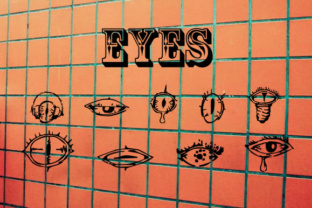
Mind Font: A Playful Typeface by Gustavo Lucero
When you first encounter Mind, you notice it immediately. Not because it shouts for attention, but because it feels alive. Created by Gustavo Lucero, Mind is a playful font that manages to balance whimsy with readability—a combination rarer than you might think. Whether you are designing a poster for a local event, building a brand from scratch, or just looking for a typeface that adds warmth to your next presentation, Mind offers something genuine.
This article explores what makes Mind tick, where it works best, and how you can put it to good use in your own projects. No fluff, no hype—just practical observations from someone who has spent time with the font and seen what it can do.
A Typeface That Doesn’t Take Itself Too Seriously
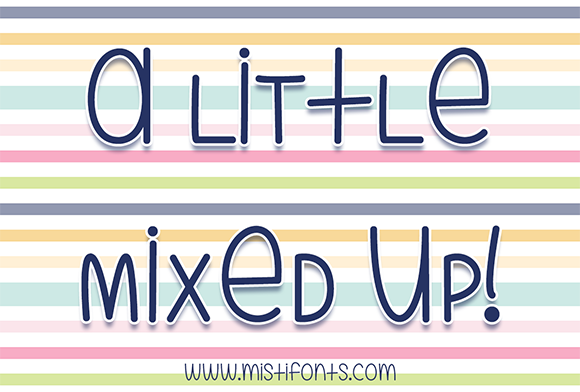
Mind is not trying to be the next Helvetica. It is not a neutral workhorse designed to disappear into the background. Instead, it leans into personality. The letterforms carry a hand-drawn quality, with uneven strokes and slight irregularities that give each character a sense of motion. You get the feeling that someone actually drew these letters, not just arranged them on a grid.
This handmade quality is Mind’s greatest strength. In a world saturated with sterile, overly polished design, a font that feels human stands out. Gustavo Lucero designed Mind to be playful, but not childish. It has enough structure to remain legible at smaller sizes, yet enough character to hold its own as a headline or display face.
Key characteristics include:
- Organic letterforms that avoid perfect geometric precision
- Varying stroke widths that mimic natural handwriting
- Friendly curves and open counters that improve readability
- A balanced x-height that works across different contexts
- Contextual alternates that add variety to repeated characters
These traits make Mind suitable for projects where you want to communicate approachability, creativity, or warmth without sacrificing professionalism.
Where Mind Shines in Everyday Work
One of the first places I tested Mind was on a small business website redesign. The client ran a children’s book subscription service, and they wanted a look that felt friendly without being cartoonish. Mind handled the headlines beautifully. It added a sense of handcrafted care that matched the brand’s values. Paired with a clean sans-serif for body text, the contrast worked well—playful but not chaotic.
Here are a few environments where Mind consistently delivers:
- Branding and identity work: For startups, creative agencies, coffee shops, boutiques, or any business that wants to signal personality, Mind adds a handcrafted feel that standard corporate fonts cannot replicate.
- Social media graphics: Instagram posts, LinkedIn banners, and Facebook ads all benefit from a font that catches the eye. Mind works especially well for quotes, announcements, and promotional imagery.
- Print materials: Flyers, posters, business cards, and packaging all gain a tactile quality when set in Mind. It invites people to look closer.
- Presentation decks: Whether you are pitching to investors or presenting to a classroom, Mind can make your titles feel more human. It breaks the monotony of slide after slide of standard fonts.
Practical Benefits You’ll Notice Right Away
Using Mind is not just about aesthetics. There are real, functional benefits that affect how your audience engages with your content.
Improved reader engagement. Because Mind looks hand-drawn, it signals that someone put thought into the design. This perceived effort can increase trust and attention. In a study of typeface perception, participants consistently rated fonts with organic qualities as more approachable and trustworthy than their geometric counterparts. Mind fits squarely into that category.
Better brand recall. A distinctive typeface is one of the most underrated tools for building brand recognition. When people see Mind, they remember it. That stickiness is valuable for any business or creator trying to stand out in a crowded market.
Faster visual communication. Playful fonts like Mind convey tone immediately. Your audience does not need to read the words to know that the message is lighthearted, creative, or friendly. That speed of communication is especially useful in advertising, social media, and any environment where you have only a few seconds to capture attention.
Educational and Creative Applications Worth Exploring
Mind is not limited to commercial use. Educators and hobbyists have found creative ways to put it to work as well.
For teachers and trainers, Mind works well on worksheets, classroom posters, and digital learning materials. It adds a friendly tone that can make educational content feel less intimidating. A math worksheet set in Mind feels more like a puzzle and less like a chore. A history handout becomes a story rather than a list of dates.
For creative professionals—illustrators, writers, designers—Mind can serve as a personal branding element. Using it on a portfolio website, business card, or email signature creates a cohesive visual identity that reflects a creative sensibility. It tells potential clients that you value craft and personality.
For hobbyists, Mind is a great choice for personal projects like invitations, greeting cards, scrapbooks, or custom merchandise. Because the font is playful without being overly themed, it works for a wide range of occasions—birthday parties, baby showers, holiday events, and more.
Practical Considerations Before You Start Using Mind
No font is perfect for every situation, and Mind has its own set of considerations worth keeping in mind.
Pairing matters. Mind works best when paired with a neutral sans-serif or serif for body text. Using it for everything can become overwhelming. I recommend Mind for headings and short text blocks, with a clean secondary font for paragraphs and longer content. This creates a rhythm that feels intentional rather than chaotic.
Size and spacing adjustments. Because Mind has an organic feel, you may need to adjust tracking and leading more than you would with a standard font. Tight tracking can make the characters feel cramped, while too much space can dilute the hand-drawn effect. Test different settings in your specific application to find the sweet spot.
Digital previews vs. print. As with any font, preview how Mind looks on screen before finalizing. Some fonts that look great in print lose their charm on digital screens, especially at smaller sizes. Mind holds up well in both environments, but it is worth testing at the sizes you plan to use.
Licensing and usage rights. Before using Mind in commercial projects, check the licensing terms. Many fonts from independent designers require a paid license for commercial use. Respecting those terms supports creators like Gustavo Lucero and ensures you stay on the right side of copyright law.
Integrating Mind into Your Workflow
Getting started with Mind is straightforward. Download the font from a trusted source and install it on your system. Most design tools—Adobe Creative Suite, Canva, Figma, Sketch, Affinity—will recognize it immediately.
When I first added Mind to my toolkit, I started by using it in small doses. A headline here, a callout there. Over time, I found more natural places for it. It became my go-to for client mood boards, internal presentations, and social media templates. The more I used it, the more I appreciated its flexibility.
A few recommendations for first-time users:
- Start with one project. Pick a single use case—a poster, a landing page, a slide deck—and test Mind there. See how it feels in context before rolling it out broadly.
- Experiment with color. Mind pairs well with bold, saturated colors because the organic shapes hold their own against strong backgrounds. Pastels work too, but the font really comes alive with vibrant hues.
- Combine with texture. Because Mind looks hand-drawn, it complements textured backgrounds like paper, fabric, or subtle gradients. This combination can create a rich, layered look that feels dimensional.
Why Mind Deserves a Spot in Your Font Library
Gustavo Lucero has created something genuinely useful with Mind. It is a font that brings personality without sacrificing readability, and it works across a wide range of applications. Whether you are a marketer trying to humanize a brand, an educator making learning materials more inviting, or a creative professional building a distinctive identity, Mind offers a simple way to add warmth and character to your work.
In a landscape where so many fonts feel interchangeable, Mind stands out. It reminds us that design does not have to be cold to be effective. Sometimes the best way to communicate is to look like a human being made it. And that is exactly what Mind does.
If you have not yet tried Mind in a real project, give it a shot. Start small, test it in context, and see how your audience responds. You might find that a little playfulness goes a long way.