Antaris as a Strategic Asset: Understanding Its Practical Value in Design and Communication
You are likely evaluating a typeface because you recognize that typography carries a significant portion of your brand’s voice. It is not merely about aesthetics; it is about legibility, consistency, and the subtle signals you send to your audience. Antaris presents itself as a practical option worthy of a strategic examination. Understanding its strengths and limitations directly impacts how effectively you communicate across print and digital channels.
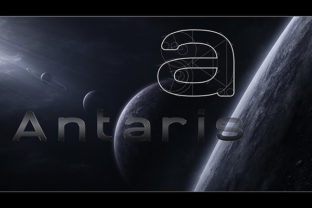
Antaris is a strong, clean, and well-constructed sans-serif typeface. Its design prioritizes clarity, making it easy to read at smaller sizes in both print and digital contexts. At the same time, it retains enough structural integrity and presence to function effectively in larger display sizes and headlines. This dual nature makes it a versatile candidate for various projects, from comprehensive brand systems to focused editorial layouts. What sets Antaris apart in a practical sense is its no-nonsense construction. It avoids decorative flourishes that can compromise readability or date a design. This article takes a practical, decision-oriented approach to help you determine if the specific characteristics of Antaris align with your goals.
Evaluating Antaris Against Specific Communication Goals
Before selecting any typeface, you must define the primary function of your text. Are you prioritizing readability for a lengthy white paper? Or are you aiming for immediate brand recognition in a logo or headline? A font that tries to do everything often excels at nothing. Antaris, however, offers a strong return on investment in terms of readability. Its clear letterforms reduce visual noise, lowering the cognitive load for your reader. For professionals producing reports, educators creating course materials, or bloggers publishing long-form content, this reduction in friction is a genuine operational advantage. It means your audience spends more energy absorbing your message and less energy deciphering the text.
For entrepreneurs and small business owners, the decision often comes down to maximizing limited resources. Choosing a typeface that works across multiple touchpoints—from your website’s body text to your product packaging or marketing brochures—simplifies the design process and ensures brand consistency. The clean construction of Antaris facilitates this seamless integration. When you invest in a single family like Antaris, you are effectively streamlining your production workflow. You avoid the logistical headache of juggling multiple incompatible fonts, which can lead to inconsistent branding and wasted time for your team or contractors.
The Dual-Purpose Nature: Display Strength and Body Text Legibility
One of the common pitfalls in typography is using a face that excels in headlines but fails in paragraphs, or vice versa. Antaris aims to bridge this gap effectively. Its strength lies in its consistent stroke weight and open apertures, which aid in small-scale readability on screens where pixels can obscure delicate serifs or thin hairlines. When scaling up for headlines, the font’s solid structure becomes a feature, providing a confident anchor for your page layout.
Consider using Antaris Standard for body copy and interface elements where sustained reading occurs. The consistent weight distribution helps maintain an even texture on the page or screen, which is comfortable for extended reading sessions. For marketers managing email campaigns or software as a service (SaaS) dashboards, this legibility translates directly to lower bounce rates and better user comprehension. Conversely, reserving the bolder weights of Antaris for headings, pull quotes, or key metrics turns the typeface into a structural tool that guides the reader’s eye through the content hierarchy.
Practical planning observation: If your project relies heavily on mobile consumption, test Antaris at small sizes on an actual device. Its legibility in digital environments means fewer users will pinch-to-zoom or abandon the text out of frustration. This attention to user experience is a hallmark of thoughtful communication strategy.
When Structure Meets Concept: The Role of Antaris Stencil
Typeface families with specialized variations, like Antaris Stencil, offer unique creative potential but require thoughtful restraint. The Antaris Stencil variation carries inherent connotations of industry, construction, prototyping, and temporary marking. It can be a powerful tool for branding in fields like manufacturing, logistics, automotive, creative studios, or fashion lines that project a workshop or maker ethos.
The strategic approach is to define the specific role of the stencil variation within your visual system. Perhaps it is used exclusively for short call-out quotes, numbered data sets, wayfinding signs, or specific product lines that emphasize raw or unfinished aesthetics. This intentional allocation prevents visual fatigue and maintains the intended tone. For a creator designing an album cover or a video game interface, Antaris Stencil can provide an authentic tactile contrast to smoother UI elements. For a professional services firm, it might be too informal unless heavily contextualized. The decision hinges entirely on your brand narrative and the emotional reaction you want to provoke.
Operational Consistency and Workflow Efficiency
For marketers and creators, workflow efficiency matters deeply. A well-designed digital font file like Antaris should have proper kerning, OpenType features, and a range of weights that allow for flexible hierarchy without needing to layer multiple typefaces. When planning a project, map out where you will use the Regular, Bold, or other weights. Having a clear typographic scale defined in your design system or brand guidelines, centered around Antaris, ensures that anyone on your team can implement it correctly. This operational clarity saves time, reduces costly design revisions, and eliminates guesswork.
From a customer experience perspective, the legibility of your product descriptions, navigation menus, and instructional copy is paramount. A clean sans-serif like Antaris facilitates scanning behavior. Its legibility at small sizes improves interface elements like buttons and footers, contributing to a smoother professional digital footprint. When your font works hard for the user, your brand benefits from the implied competence.
Long-Term Value Through Typographic Consistency
A brand is built through accumulated impressions. Typographic consistency is a powerful, if sometimes overlooked, driver of brand recognition and recall. Committing to a systematic use of Antaris across your communications—presentations, invoices, social media graphics, and website—builds a cohesive visual identity that feels intentional and trustworthy. Over time, the audience subconsciously associates the clean, strong aesthetic of the typeface with your organization’s reliability and professionalism.
As your business or project scales, having a typeface that can handle varied formats provides a stable foundation. The stencil variant gives you a built-in option for adapting your tone for specific campaigns without adopting a completely new, unrelated font. This modular approach to typography is a strategic advantage. It allows you to refresh your visual identity without starting from scratch, maintaining hard-won brand equity.
Potential Risks and How to Avoid Them
Using a tool without a clear strategy invites mediocrity. Antaris is robust, but it is not immune to the common pitfalls of typeface selection.
- Lack of hierarchy: Relying solely on one weight of Antaris for everything can lead to a flat visual hierarchy. The font is clean, but without careful modulation of weight and size, the design may lack dynamism and fail to guide the reader. Always define a clear typographic scale before implementation.
- Ignoring contextual fit: Antaris possesses a modern, clean, and slightly mechanical aesthetic. It may not suit projects requiring highly ornate, script-like, or strongly humanist old-style qualities. Applying it to a heritage brand about tradition and handcrafted elegance, for instance, could create a conceptual disconnect. Honestly evaluate the emotional tone of your project against the inherent character of the font.
- Overusing the stencil variant: The stencil variation is a specialty tool, not a workhorse. Overuse in long-form text or in contexts misaligned with its mechanical feel can undermine readability and brand perception. Use it sparingly, with clear intent, and preferably at larger sizes where its unique shapes can be appreciated.
Making the Decision: A Practical Framework
To determine if Antaris is the right choice for your upcoming project, consider the following planning checklist adapted for decision-makers:
- Strategic alignment: Does your brand identity require a clean, modern, and slightly structural feel that prioritizes function over ornament?
- Primary use case: Will the primary function be lengthy body text (legibility is critical) or impactful headlines (structure is critical)? Antaris handles both, but your priority dictates the weights and spacing you emphasize.
- Contextual fit for Stencil: Does the Antaris Stencil variation support your core narrative, or does it introduce noise? Define exactly where and why you will use it before you start designing.
- Scalability: Will this typeface work across all the formats you currently use or plan to use in the next 12 to 24 months, from mobile interfaces to large format print?
- Resource allocation: Licensing a professional typeface is an investment in your brand’s equity. Consider the budget not just as a cost for software, but as an allocation for long-term communication consistency and effectiveness.
Ultimately, Antaris offers a compelling package of legibility and structural strength. It supports strategic goals by reducing cognitive friction in reading and providing a cohesive visual language across media. The key to unlocking its value lies in intentionality. Define your goals, map your touchpoints, and deploy the standard and stencil variations with a clear understanding of their respective strengths. When used thoughtfully, Antaris functions as more than a font choice. It becomes a deliberate operational and branding decision that reinforces your message without getting in the way. By approaching it with the same rigor you apply to your business strategy, you ensure that your typography works as hard as you do.