Fleurious: A Typeface Rooted in Printing History with Over 200 Decorative Glyphs
Few typefaces offer a direct link to the evolution of printing like Fleurious. Inspired by shifting printing habits over five centuries, this font draws from the decorative tendencies of different eras and packs them into a single, versatile set. With more than 200 glyphs designed to add visual variety, Fleurious is aimed at professionals and creators who need more than just clean lines—it brings historical character to everyday documents.
What Makes Fleurious Distinctive
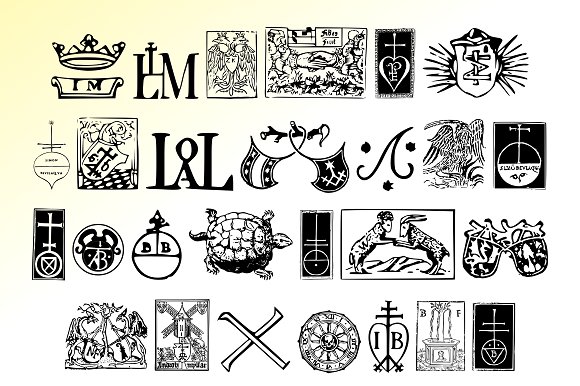
Fleurious is not simply a revival of one old style. Instead, it synthesizes ornamental practices from multiple periods—from early hand-press decorations to later industrial-era embellishments. The result is a typeface that feels both vintage and fresh, carrying echoes of book bindings, title pages, and printed ephemera from the 16th century onward.
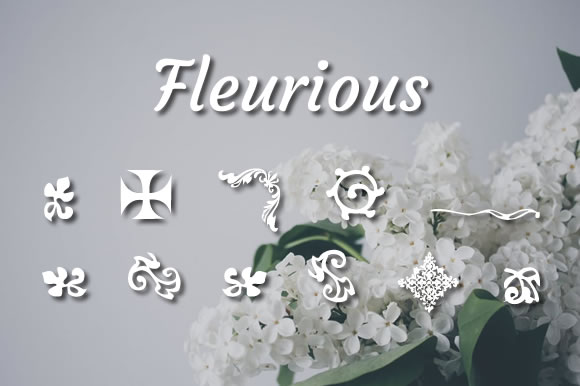
The key distinction is its sheer number of decorative glyphs. Over 200 alternate characters, flourishes, ligatures, and ornaments are included, giving users granular control over the texture of their layouts. Whether you need an ornate initial cap, a subtle filigree, or a period-appropriate border element, Fleurious provides options that typical modern fonts lack.
Practical Value for Document Design
For anyone involved in publishing, blogging, or marketing, adding visual interest without resorting to stock clipart or heavy graphics is a genuine advantage. Fleurious allows you to embed decorative details directly into text flow, because the glyphs are part of the font itself. This means they scale, reflow, and print exactly like regular characters, with no extra image files to manage.
Consider a book designer working on a historical novel: chapter openers can be set with decorative drop caps from Fleurious, while section breaks use ornamental dividers. A blogger writing about antique bookbinding might add leaf or fleuron flourishes beside pull quotes. The font works for both full-page headlines and subtle infill marks.
The glyphs are also useful for certificates, wedding invitations, menus, and any material where a classic or artisan feel is appropriate. Because the decorative elements come from a coherent design system, they don't clash with the main letterforms.
Strengths in Real-World Use
From a professional standpoint, Fleurious shows solid craftsmanship. The primary letter shapes are legible and well-proportioned, with a slightly condensed structure that works well at display sizes. The ornamental glyphs maintain consistent stroke weights and stylistic harmony, which is difficult to achieve when combining motifs from different eras. The font manages this without looking like a hodgepodge.
Usability is straightforward: Fleurious installs as a standard OpenType font and works in any modern application that supports OpenType features. The decorative glyphs are accessible via the glyphs panel, or you can use OpenType stylistic sets if your software supports them. The font includes both lining and old-style numerals, plus a range of punctuation marks that follow the same historical aesthetic.
Reliability in print and on screen is good. The intentional historical character does not sacrifice clarity—the ornaments are detailed but not overly fragile, so they hold up at smaller sizes. That said, the font is best used at medium to large point sizes (12pt and above) for its decorative details to shine. At very small sizes, some fine flourishes may blur, especially on low-resolution screens.
Who Can Benefit Most from Fleurious
Fleurious is a specialized tool, not a general-purpose workhorse. It will serve creators who regularly produce materials that benefit from a classical or ornate touch:
- Publishers and book designers who need period-appropriate ornamentation for fiction, poetry, or historical works.
- Graphic designers working on branding for heritage brands, artisan products, or cultural events.
- Bloggers and content creators in the humanities, craft, or vintage niches who want distinctive headers and dividers.
- Educators and academics creating handouts or slides about printing history—the font itself illustrates the concepts.
- Small business owners in hospitality or events who produce menus, place cards, or signage with a refined, old-world feel.
For these groups, Fleurious offers a way to differentiate materials without reinventing the wheel. The 200+ glyphs provide enough variety that repeated use across a document doesn’t become monotonous.
Considerations and Limitations
No font is perfect for every situation. Fleurious is not designed for extended body copy—its decorative details and slightly ornate letterforms can reduce readability in long paragraphs. For main text, pair it with a clean serif or sans serif face that complements but doesn’t compete. The font works best as a display type for titles, subtitles, pull quotes, and ornamentation.
Additionally, because the decorative elements are numerous, new users may need a little time to learn which glyphs work best in which contexts. Not every ornament will suit every project; some are more formal, others more rustic. Spending an hour exploring the glyph set is recommended before committing to a design.
Digital workflows should also account for software limitations. Some simpler text editors may not provide easy access to OpenType alternates. In those cases, you may need to copy and paste glyphs from a character map, which is manageable but less fluid.
Fleurious as a Long-Term Resource
Investing in a font like Fleurious makes sense if your work regularly calls for historical ornament. Because the font draws from five centuries of printing practice, its relevance is not tied to a passing trend. It will remain useful for projects that aim for a timeless, traditional, or bookish aesthetic. The included glyphs are diverse enough to support many different periods—from Renaissance-style swirls to Victorian borders—so you are not locked into a single look.
For designers and publishers, Fleurious fills a genuine niche. It reduces reliance on external illustration or stock ornament files, streamlines layout work, and ensures consistent styling across a whole document. For bloggers and marketers, it adds a layer of visual storytelling that helps content stand out in an otherwise uniform digital landscape.
In summary, Fleurious offers practical value for anyone who needs to evoke the printed past without sacrificing modern usability. Its 200+ decorative glyphs, coherent design, and historical foundation make it a resource worth evaluating for the right projects. As with any specialized tool, the best results come when you understand both its strengths and its limits—and use it where it truly fits.